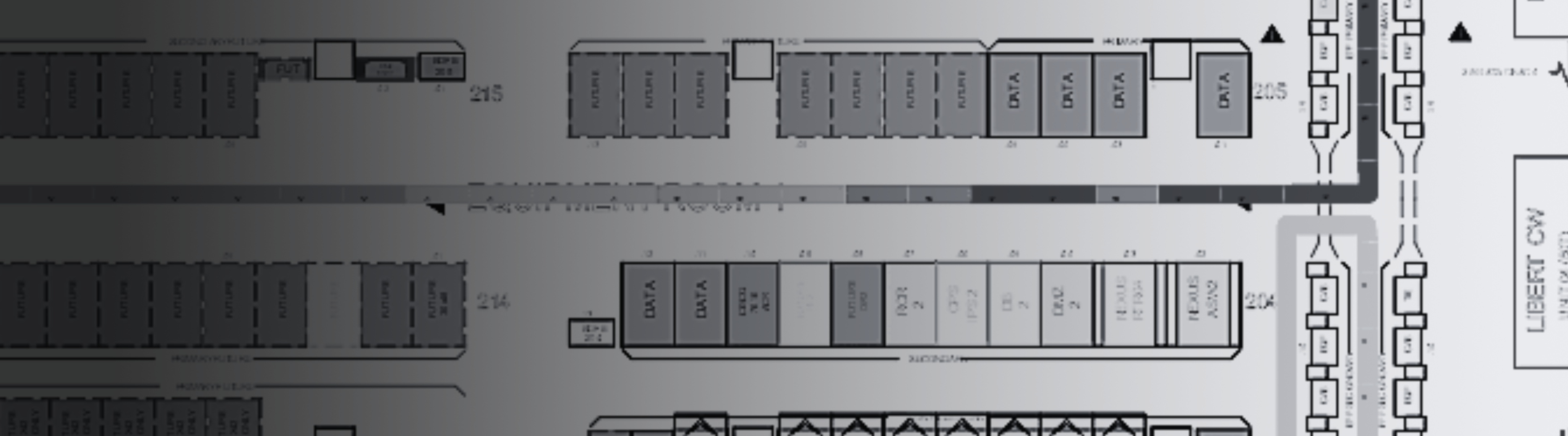
In financial services IT, small documentation gaps can slow incident response and increase operational risk.
If you work in financial IT, you already know (all too well) how small gaps turn into big problems…fast:
- A missed dependency
- An undocumented port
- An outdated rack diagram
Any one of these can mean longer outages, slower audits, and higher-risk changes.
Even short outages can hit hard. In large organizations, downtime can cost thousands of dollars per minute once lost transactions, recovery work, customer impact, and reputation loss are counted (one benchmark study -from way back in 2016- estimated unplanned data center outages at nearly $9,000 per minute).
In financial services, three major pressures are always in the background:
- Day-to-day business uptime
- Ongoing regulatory compliance
- Security risk
After decades in IT visualization and documentation, I’ve found that the big ticket issue is not whether teams document infrastructure—it’s whether the documentation can stay connected to changes and reflect reality.
This is the problem we set out to solve when we founded Graphical Networks fifteen years ago. Our flagship software, netTerrain, is created by IT folks for IT folks: it’s a DCIM and network documentation platform that keeps diagrams and documentation aligned with the underlying infrastructure data—inventory, racks, ports, circuits, and connectivity—so teams aren’t left scrambling and doing forensic investigations under pressure.
For regulated environments, financial services teams often need a practical data center infrastructure management approach that holds up under audits, incidents, and change windows.
Real-time business demands
This is where documentation stops being a nice-to-have and becomes operational infrastructure.
Trading, payments, fraud checks, and customer activity depend on uptime across many interconnected systems.
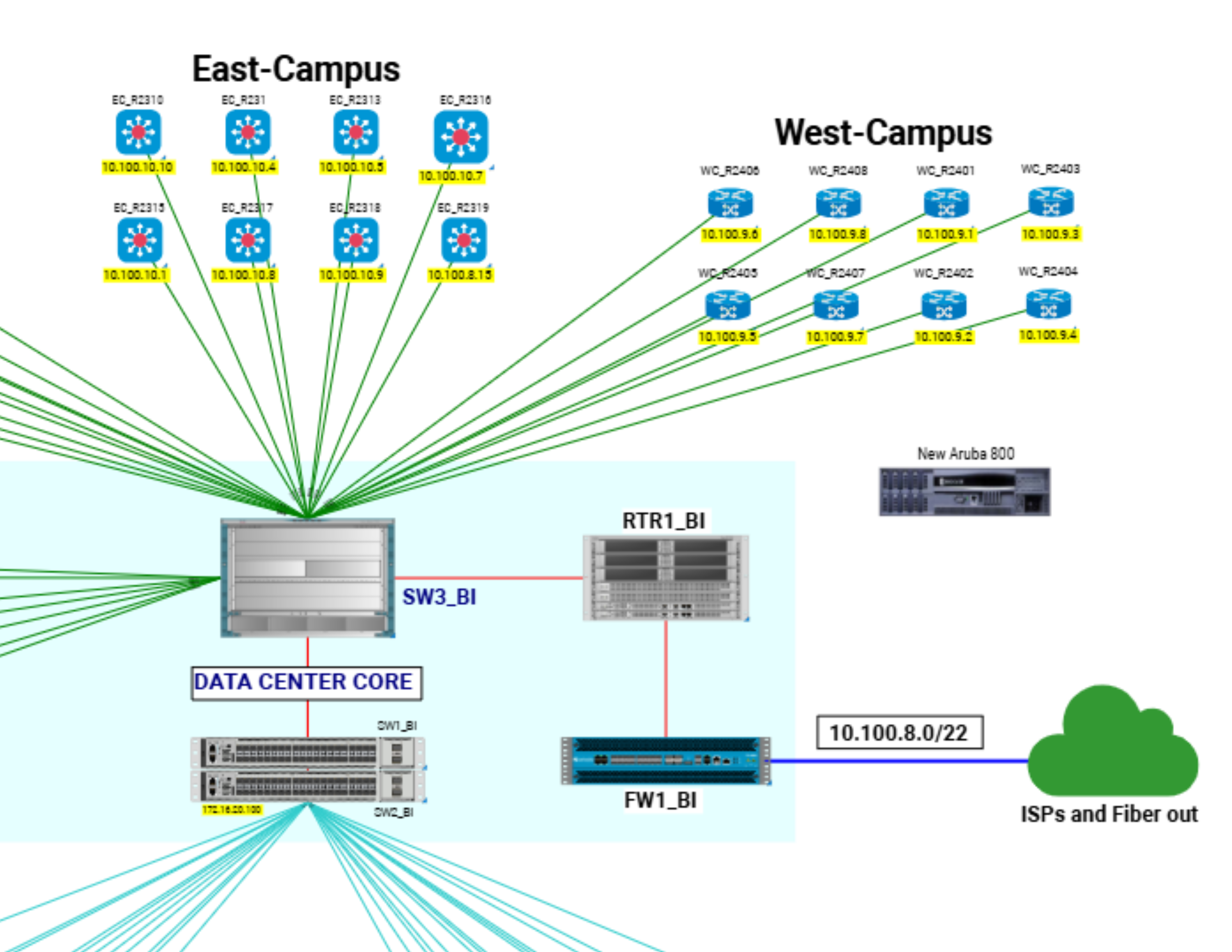
An up-to-date topology view helps teams confirm dependencies and connectivity during troubleshooting.
When a change goes sideways or a connection goes down, teams need to see what connects to what. Time spent rebuilding the map during an outage is time you usually don’t have.
When diagrams are out of date—or details live only in people’s heads—response slows down. During incidents, teams lose time confirming:
- Which systems talk to each other
- What path traffic takes
- What changed most recently
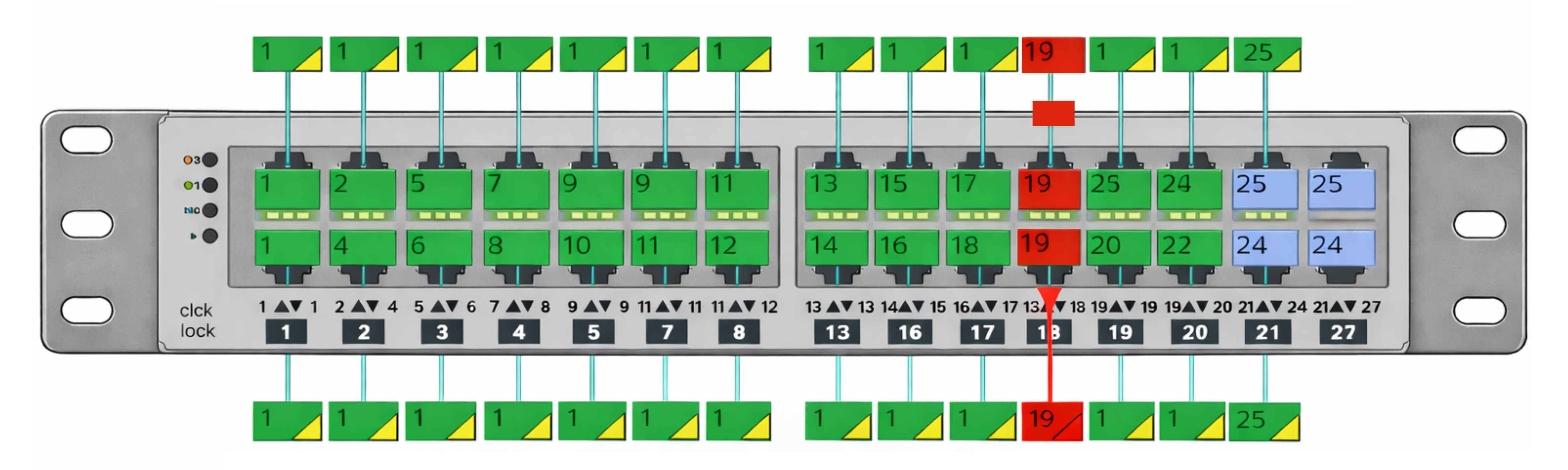
Port- and cabling-level detail supports faster path tracing during failures and changes.
Using netTerrain, teams document devices, racks, ports, and end-to-end connectivity so paths and dependencies are already visible when something breaks.
Regulatory compliance
Beyond daily operations, current documentation is critical for meeting regulatory demands.
Audits move faster when records reflect what’s in place today.
Standards such as PCI DSS and regulations like SOX rely on accurate asset identification and infrastructure visibility. When systems, configurations, and dependencies are unclear, gathering evidence requires more manual work and takes longer.
When records don’t match reality, audits turn into cleanup work—adding cost and risk without improving control.
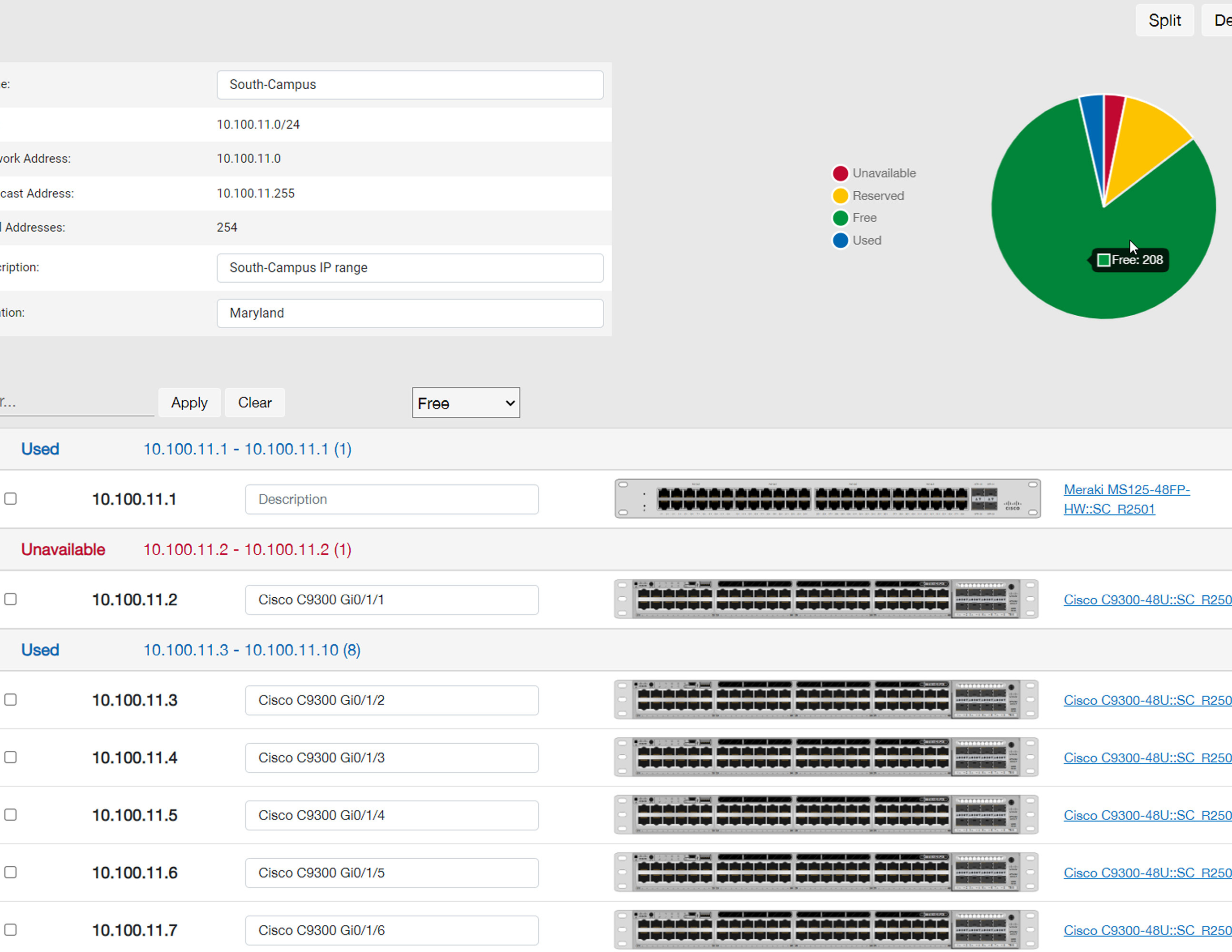
Reporting and inventory views help teams answer audit and operational questions from current data.
Centralized inventory, connectivity views, and reporting help teams respond to audit questions without rebuilding documentation under pressure.
Security exposure
Accurate documentation also reduces security exposure.
Unknown devices, undocumented connections, and unclear ownership create blind spots that complicate investigations and incident response.
Keeping network and data center documentation current reduces guesswork and limits how long outdated systems remain exposed.
This is why relying on institutional memory isn’t fool-proof—without a trusted, centralized view, teams are forced to fall back on guesswork and assumptions.
netTerrain keeps network documentation and DCIM data together, helping reduce data center security blind spots.
The value of Data Center Infrastructure Management (DCIM)
DCIM doesn’t help just because it stores inventory. It helps when your infrastructure information stays usable day to day.
- Speed (getting answers faster)
- Accuracy (fewer surprises)
- Lower operational risk
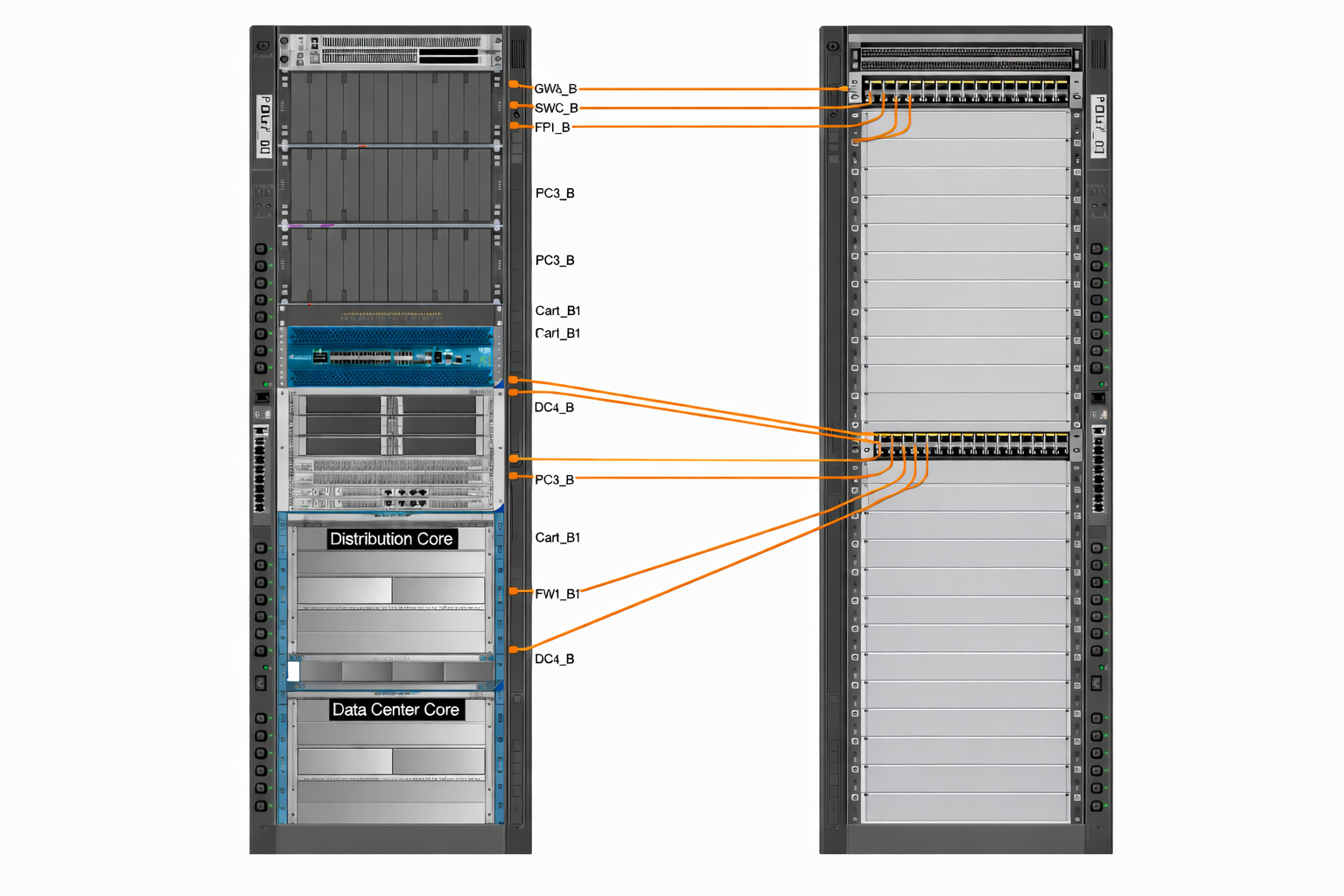
Rack diagrams provide a shared reference for placement, capacity, and change planning.
When that information stays accurate, outages take less time to find them and changes go in without surprise attacks later.
The National Cybersecurity Center of Excellence (NCCoE) summarizes the goal clearly: maintain a complete, current view of what assets exist, where they are, and how they’re used.
This is the true operational role good DCIM should play in financial services environments.
A practical takeaway for financial institutions
Outdated network and data center management rarely fails all at once. It shows up as longer outages, slower audits, and riskier changes.
DCIM reduces that risk by keeping infrastructure information accurate enough to operate, change, troubleshoot, and answer audit questions without rebuilding the truth by hand.
The real choice is not whether to document infrastructure—it’s whether teams want to rediscover it under pressure, or keep it current by default.
netTerrain is built to centralize visualization, documentation, discovery, and optional automation so teams spend less time chasing information (aka finding needles in haystacks) and more time keeping critical systems stable. Learn more about netTerrain DCIM here.
