DCIM and OSP tools have changed in more recent years. Many of the well-known platforms reached end-of-life, merged into larger hardware ecosystems, or slowed down their development. More and more teams have started looking at DCIM alternatives, vendor-neutral options, and OSPInsight replacements because they need software that will stay consistent over time.
When, to use some examples, tools like OSPInsight retired (notice how the page notes that the software is for “existing customers), or DCIM software suites under Emerson (Trellis and Aperture) were faded out, organizations had to review what their documentation and visualization would look like going forward. If you use DCIM or OSP software to visualize and document your infrastructure, check capacity, map fiber, or track circuits, these software changes and retirements usually impact your ROI significantly.
Why Many Teams Are Reviewing DCIM Alternatives
When a hardware manufacturer offers a DCIM platform, the software’s roadmap usually follows hardware (and hardware sales) needs. For users, this often means slower development, narrow integrations, and fewer updates. It also leads to vendor lock-in, higher long-term costs, and limited support for mixed environments. For organizations with hybrid systems, legacy devices, or tracking fiber changes, these issues only add more friction and take away from the work (and ROI).
It makes sense that so many teams are reviewing their DCIM and OSP tools these days.
What Modern DCIM Users Need in 2025
- vendor neutral DCIM software for mixed environments
- a user-first roadmap
- consistent discovery and reconciliation
- accurate device, rack, card, port, and circuit modeling
- detailed fiber mapping with strands, splices, and routes
- clear, easy-to-understand and easy-to-scale licensing
- user-friendly imports and integrations
- confidence the platform will be supported in the future
This is where niche vendors like us stand out.
Why a Niche DCIM Vendor Like netTerrain Makes Sense
netTerrain is built by a team focused on software behavior, clear modeling, and vendor neutrality. Major cities, airports and universities across the globe, healthcare organizations, and enterprises use netTerrain because it stays organized and matches what teams see in the field. netTerrain works across verticals and for teams of all sizes (from one-person departments to multi-site teams).
1. Vendor Neutrality Without Lock-In
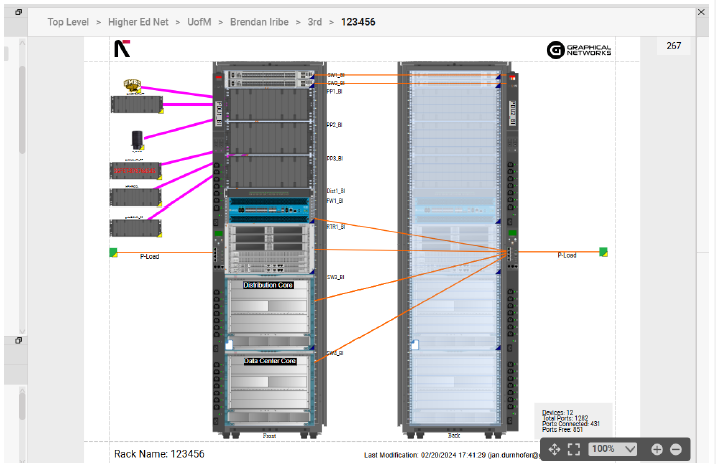
With netTerrain, for example, you can document any device, rack, card, port, or cable. Nothing forces you toward a specific hardware ecosystem. The software adjusts to your environment, not the other way around.
2. Customer-Driven Enhancements
The fact is that smaller vendors do tend to move faster. With netTerrain, software improvements are largely based on what our users request (for example: netTerrain’s fiber documentation and visualization all started with a user request). The focus stays on what our users actually need, not what a hardware vendor decides will sell more hardware.
3. Integrations Without Barriers
Most teams use multiple systems: AWS, Azure, monitoring platforms, IT Service Management (ITSM) tools, and/or a Configuration Management Database (CMDB). Many teams still rely on spreadsheets and/or Visio diagrams. A niche vendor (as we do, with netTerrain) usually provides open & well-documented APIs, multi-source discovery, and scheduled reconciliation. As with netTerrain, imports with niche vendors often cover devices, racks, cards, cables, and diagrams.
4. Clear & Easy Licensing
At least with netTerrain, licensing is simple: device counts and user roles. There are no hardware bundles, confusing feature gates, forced upgrades, or restrictions that make it hard-to-scale up. Budgeting costs stays predictable.
You can learn more about netTerrain’s licensing and pricing at this link.
Why This Matters After OSPInsight Reached End-of-Life
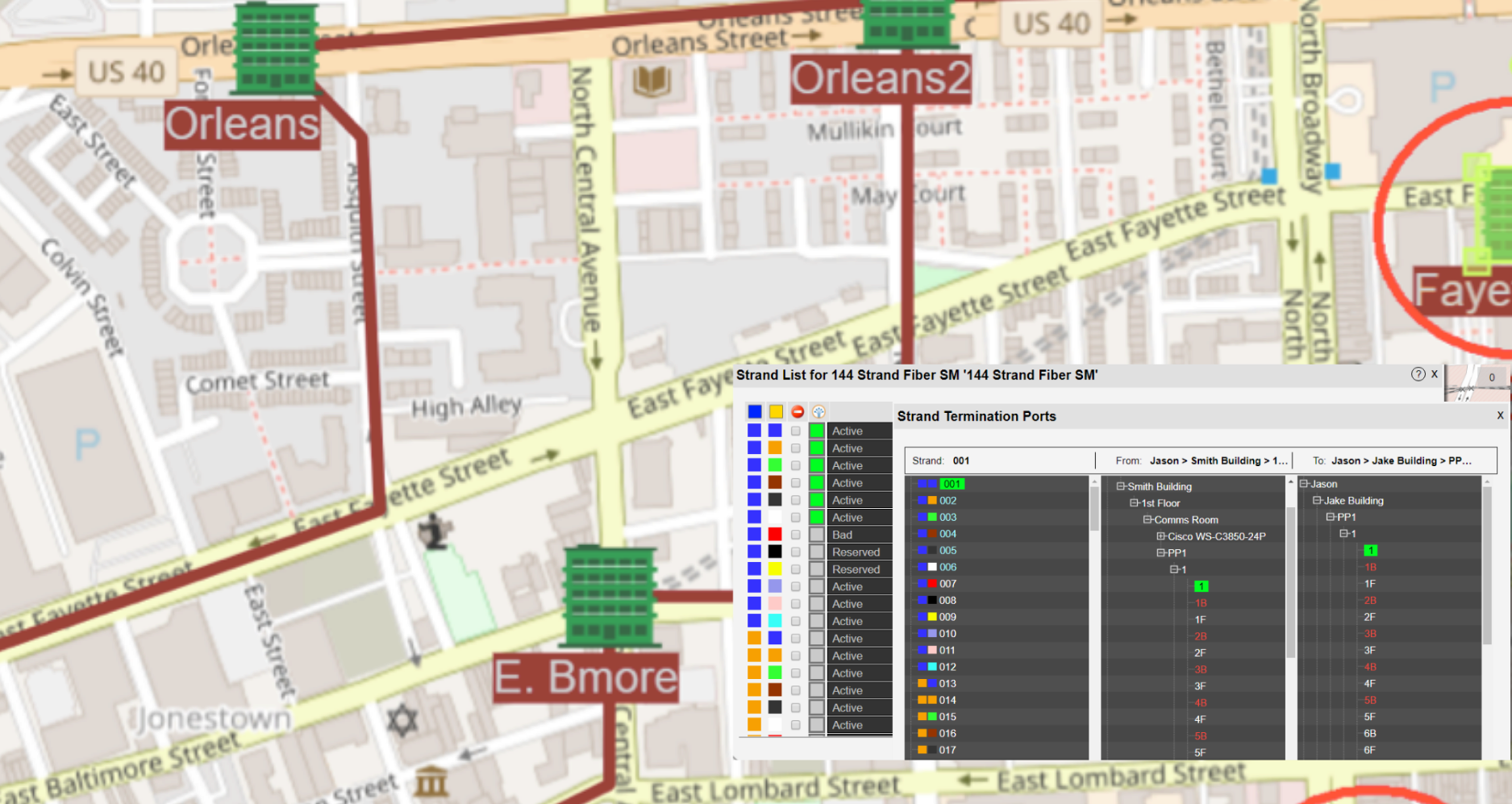
If your previous platform was retired or hasn’t received updates in some time, you may be reviewing alternatives. The main considerations are straightforward: whether the software is being maintained, whether it supports mixed environments, and whether it handles what you need or may need (for example, with netTerrain – fiber, circuits, racks, networks, and Cloud in one place.
With netTerrain DCIM and its add-on module netTerrain OSP, those needs are covered. You can request a demo if you want to review it further.
Quick Comparison: Big Vendors vs. Niche Vendors
| Feature | Hardware-Focused DCIM | Niche DCIM (like netTerrain) |
|---|---|---|
| Product roadmap | Hardware-driven | Software-driven |
| Vendor lock-in | Common | None |
| API openness | Limited | Open |
| Fiber and circuit detail | Variable | Strand-level |
| Discovery | Narrow | Multi-vendor |
| Long-term stability | Uncertain | Software-focused |
| Licensing | Bundled and complex | Simple and clear |
The Bottom Line
DCIM consolidation has reduced the number of platforms but made the differences easier to see. If you need vendor-neutral software, accurate fiber documentation, clear circuit modeling, multi-source discovery, and predictable licensing, niche DCIM vendors tend to meet those needs.
For additional context on why DCIM remains important, this external overview explains DCIM and its benefits. The bottom line is that when the software works, DCIM works.
